


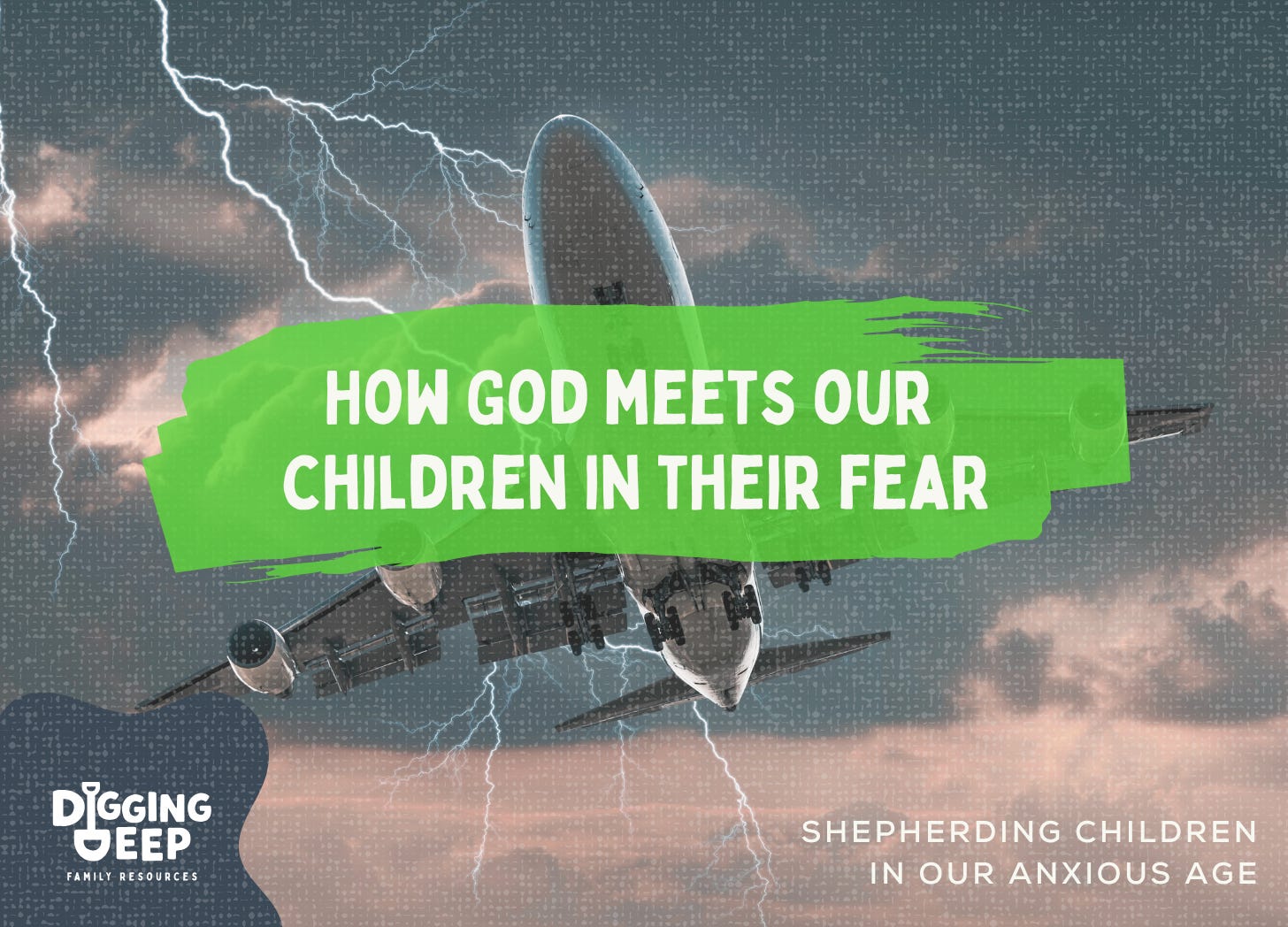
Growing up, my family and I would often fly from Guatemala to Orlando for our family vacations. While in Orlando we would ride every ride and roller coaster available. The bigger and faster, the better. So on our flights back home, anytime the plane hit turbulence, my brother and I would raise our arms and laugh as if it were a roller coaster. I remember genuinely not understanding why older people looked nervous during turbulence; honestly, I found it amusing.
That all changed about five years ago. While flying to Colombia, the turbulence was so violent that the wings of the plane looked like a bird flapping. It was terrifying. Even though my mind knows the chances of an accident are extremely small, my body still tenses up every time the plane moves.
Over time, I realized I had developed a coping mechanism: I would look at the flight attendants. If they seemed calm, I told myself I didn’t need to worry. The problem, of course, is that I was trying to fight my anxiety by looking at someone who has absolutely no power to keep me safe.
I share this embarrassing story because it illustrates what our hearts often do when we’re anxious: we instinctively fix our eyes on something or someone who can’t carry the weight of our fear.
And when our children are struggling with anxiety, we need to make sure we don’t point them toward things that can’t actually help them. Instead, we want to lovingly teach them to turn to the God who rules over all things. Below are a few practical ways to train our kids to look to the Lord in their moments of fear.
Remind them often that The Lord Is Near (Phil. 4:4–7)
The first and most important thing we can do for our children is to model with our lives and actions that the Lord is near us. Paul tells the Philippians:
“Rejoice in the Lord always; again I will say, rejoice. Let your reasonableness be known to everyone. The Lord is at hand; do not be anxious about anything, but in everything by prayer and supplication with thanksgiving let your requests be made known to God. And the peace of God, which surpasses all understanding, will guard your hearts and your minds in Christ Jesus.” Philippians 4:4–7 ESV
The way we respond to trouble and uncertainty will train our children for their times of anxiety. Paul gives us a truth in this passage that can serve as a pillow for us to rest on–The Lord is at hand!
Our God is not far from us. He is available and quick to listen. So when our child is anxious, let’s teach them to cast their anxieties before the Lord. When the things we tell our children are not backed up by our example, the quickly become platitudes. Our patient God meets anxiety relationally, not by throwing slogans our way. So, let us lead the way to the throne in prayer where they can truly find peace.
As we do this, we are modeling dependence and shatter any illusion of control we might think we have.
Teaching Truthful Thinking
The next thing we can do is to teach our kids that Gospel truth is more dependable than our perceived reality. We are limited in our scope of what we know and what we can see. So when we feel like life is headed in the wrong direction, it is helpful to turn to the words to the God who cannot lie. The God that has told us that he will always be with us. This is why Paul was able to say:
“And we know that for those who love God all things work together for good, for those who are called according to his purpose.” Romans 8:28 ESV
What we know by faith is more real than the things we see with our eyes. Our faith is not strong because of our ability to muster faith, but because the object of our faith is good, strong, and steadfast.
Listen to their fears
One of the best things we can do for our kids is to really listen to them when they are voicing their fears. If you’re anything like me, you might be quick to dismiss their concerns and point out why they are not reasonable or likely scenarios. But what if instead we were to listen and help them trace the root cause of those fears?
We have a God that models this by repeatedly inviting us to bring our fears and requests to him. God listens to our fears even when they are baseless, and he patiently ministers to our hearts. It is in the very act of voicing our fears and needs before his presence that we find peace.
Teach them to identify what they treasure
Peace is not found in the things we know or believe but in the things we treasure. Knowing and believing are very important, but they are only transforming when we also treasure them. In an article for the Gospel Coalition, Caleb Batchelor says “If you will treasure God more than the cares of this world, then you can trust God through the cares of this world.”
“If you will treasure God more than the cares of this world, then you can trust God through the cares of this world.”
We need to teach our children that our anxieties often reveal the things we truly treasure. This is helpful when identifying the idols of our hearts. In the same article, Batchelor says “If your treasure is on earth, your emotional stability is unsafe.”
As parents, we don’t have the power to calm every storm our children will face, just as I can’t control the turbulence on a flight. But what we can do is help them look in the right direction. Not to powerless things. Not to their own strength. Not even to us as their ultimate safety net.
We can teach them to look to the One who never panics.
The One who holds all things together.
The One who says, “I am with you always.”
The One whose peace is stronger than their fear.
When we remind them that the Lord is near, when we help them think truthfully, when we listen patiently to their fears, and when we shepherd them toward treasuring Christ above everything else, we are training them to fix their eyes on the only One who can actually quiet their anxious hearts.
May God give us grace to model this kind of trust, and may our kids grow up knowing not just the idea of God’s peace, but the presence of the God who gives it.